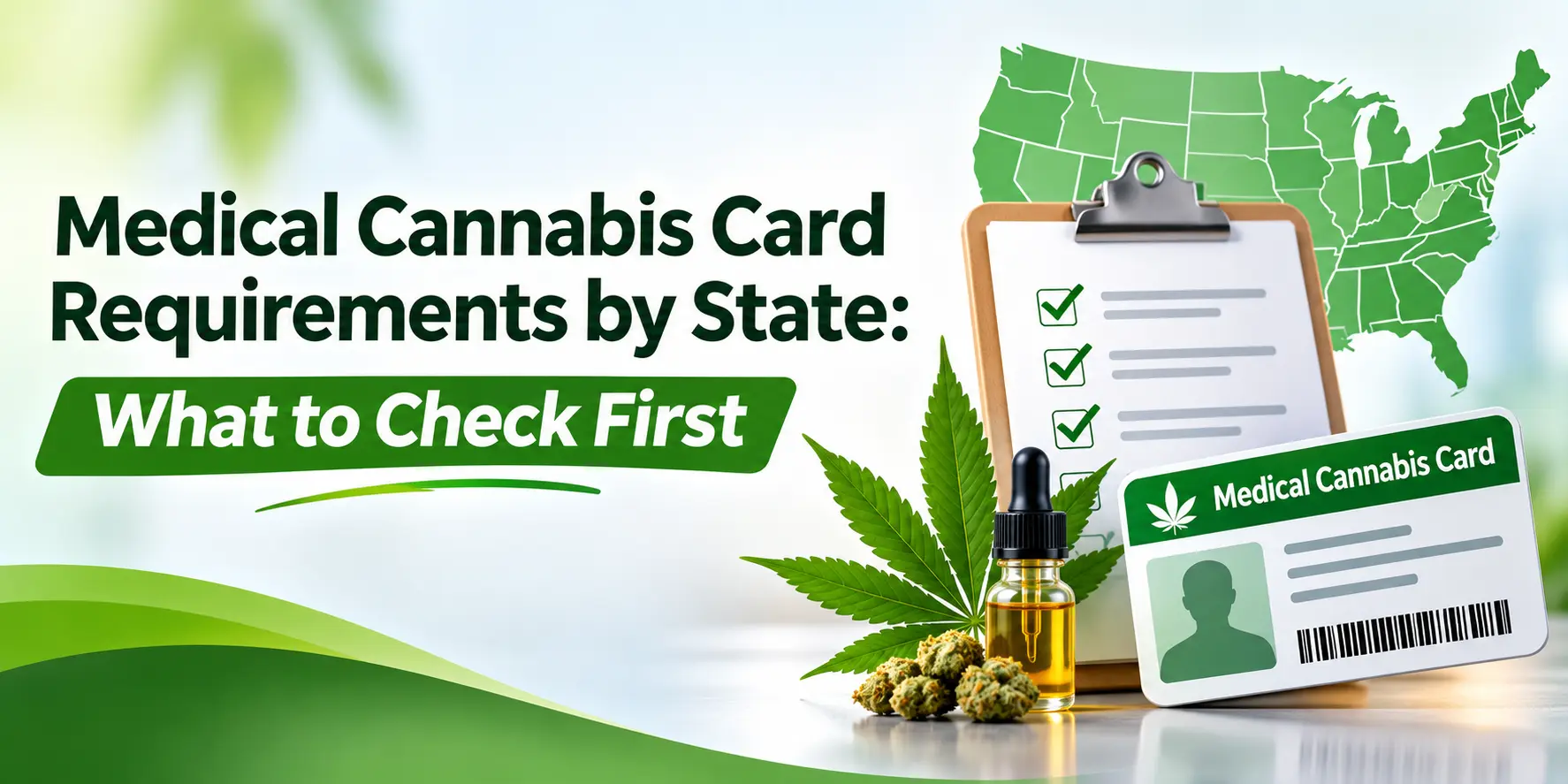
Medical Cannabis Card Requirements by State: What to Check First
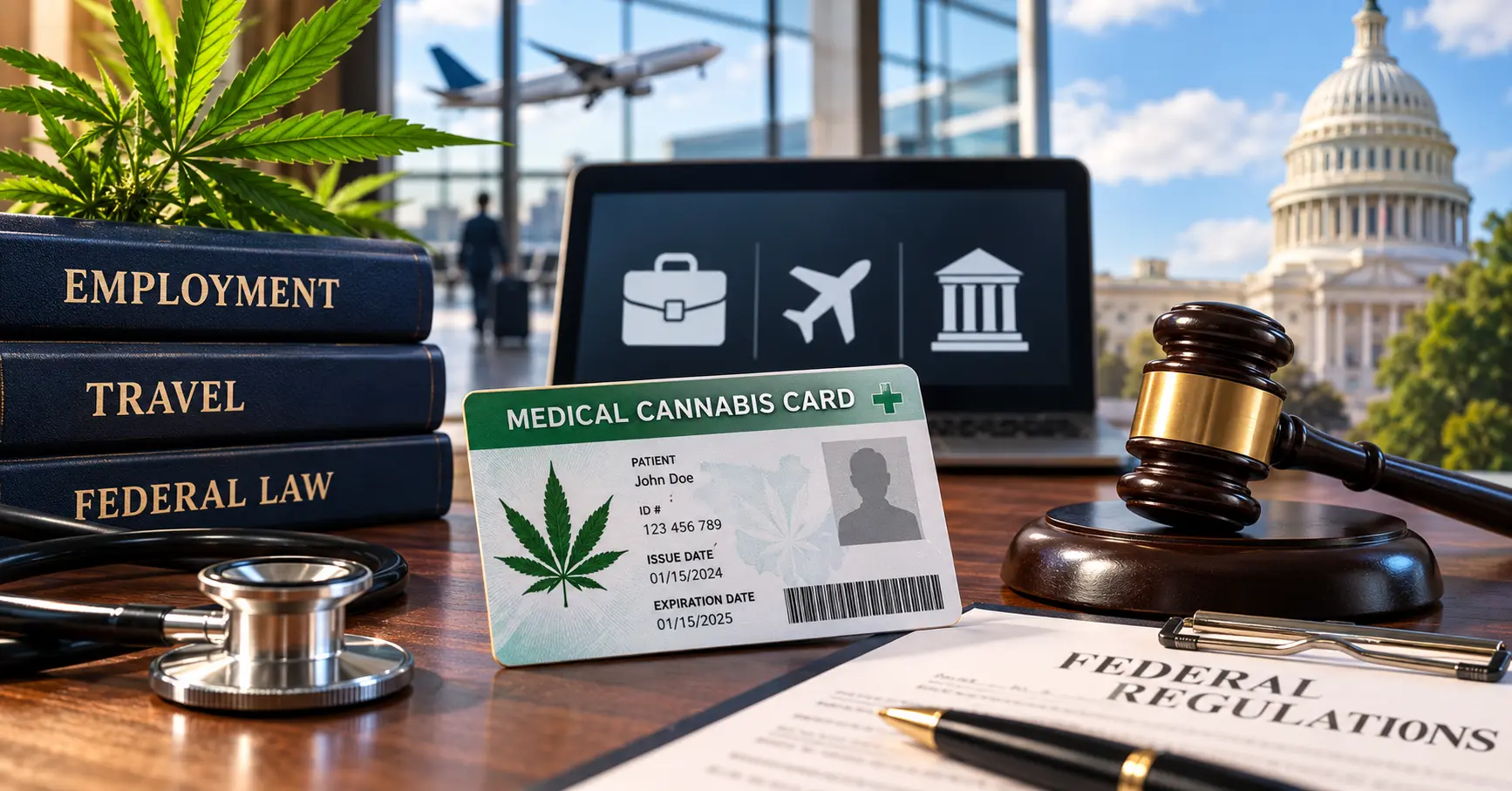
The majority of the medical marijuana regulations in the US are derived from state laws. In case there exists a medical marijuana program in a particular state, then those laws specify the eligibility criteria, certification procedure, the types of fee involved, and the issuing process of the cards. Nevertheless, as marijuana is a Schedule I controlled substance in the US, federal classification of marijuana will not be affected by any state law. Rescheduling of marijuana is an old debate; verify the current position of the federal government on this matter too. As state laws keep changing, the most reliable source of information regarding each state would be the websites of their health departments or medical marijuana programs.
Program Eligibility and Residency
Being a resident of the state is an important criterion that most programs insist on. Further, it is also required by most programs to provide proof of the same, and that is through your driver’s license or state identification card or even the utility bill. There may be programs that have minimum age criteria; but there are some programs that also accept minors as participants, along with their parents being the caregivers. It is essential to know that there are some adults who require nominations for their caregivers.
The Certification Step
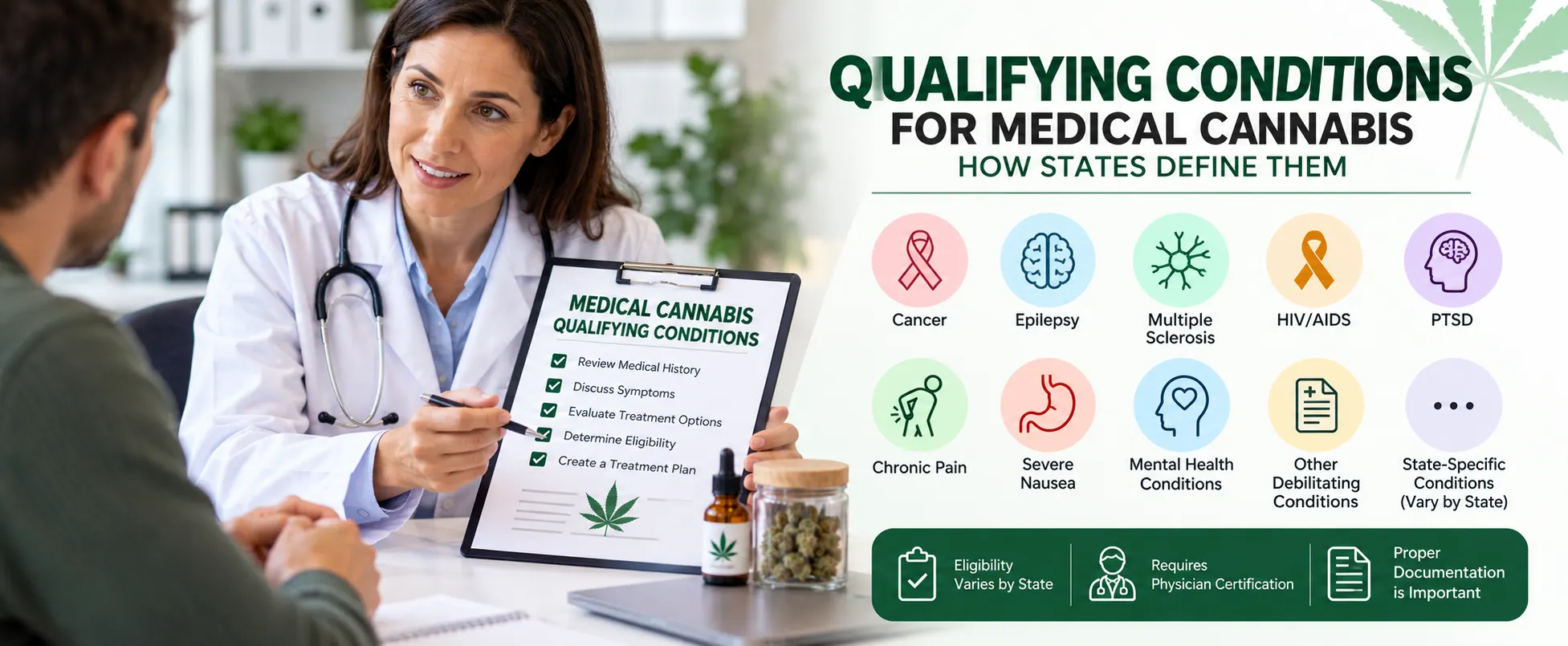
As a general rule, an authorized physician must certify the existence of a qualifying condition, together with the use of medical marijuana as the best way to address the said condition. In most cases, the certifying physician must have an authorization from that particular state, whereas in others, a real examination or even a previous treatment history between the doctor and the patient must exist. Telemedicine certification is permitted in a majority of states, although not all of them. One must see whether the physician is accredited with the state program.
Registration, Fees and Processing Times
Once certified, the patient files an application to the state registry and makes a payment of the application fee. Application fees range widely across different states; some states offer reduced fees for poor applicants, veterans and/or senior citizens. Application can take up to several days or even weeks. It is a good idea to retain copies of your certification form and application confirmation since problems in the application process may result in inability to receive your card. You should watch out for organizations that promise you guaranteed approval or hide some fees. An official organization will always openly state its fee policy.
Card Format and Verification
The patient's card normally includes a photograph, a unique identifier, and the date of expiration of the card. In addition to the card, some states provide electronic verification of the card along with, or instead of, the physical card. Dispensaries will verify the identity of a patient through the registry before providing him with the medicine, so if your card is incomplete or has expired, it may not work regardless of having a valid certificate.
Possession Limits and Purchase Rules
Different possession limitations apply from one state to another, and even within the flower, concentrate, edible, and plant varieties. There are also systems that put possession limits on the amount of product a user should purchase at any one time. Possession limits are regulated, so make sure that you check the current figures. The adherence to the specified limit will ensure that you avoid penalties even if you are registered.
Finding Current Requirement Information
Current requirement information is available through state websites, state medical cannabis programs, and state health departments. The information from clinics, dispensaries, and online dispensaries could also prove helpful, but take care to cross-check as it might already be outdated. It is recommended to take down the date of receipt of the information since what was valid last year may not be applicable anymore.
Preparing Your Application Packet
Before contacting a clinician or applying for the program, get yourself prepared with the document package that is going to be required by most programs. It will include identity document, residency document, clinician certification, or a note indicating that scheduling of your appointment is pending, payment information, and in case you are a minor or designated individual, the relevant consent or designation documents. Be sure to know the requirement of format of the state whether it requires an original copy, certified copy, or an electronic copy. The main reason for delays in the process is the incomplete document package, thus it is recommended that you carefully compare your document package with the program checklist.
Handling Denials and Appeals
The application can be rejected for any number of reasons such as insufficient information provided, unverified residency status, or non-eligibility based on the provided certification. The rejection notice will include the reasons for rejecting the application and the possibilities of filing an appeal or re-submission of the application in your particular case. It is important that you read this letter carefully and make note of when the answer should be given. Should there be any problems with the documents provided, re-submission of the application is much more likely to work than appealing the decision.
Keeping Records of Your Application
Create an organized log noting the date of every step made during the whole process, starting with scheduling, submitting, payment, communication, and whoever you have been communicating with. Keep confirmation emails and receipts in a particular folder in both hard copy and soft copies. An organized log will ensure that it becomes easy to handle any disputes that may arise and respond to any questions that may come from the dispensary, clinician, or representative of the program. This organized log will also make it easy to pick up from where you left off when you relocate or change your telephone number and email addresses.
Asking the Right Questions
As soon as you contact an office dealing with medical cannabis program, make sure that you ask clear questions, not vague ones. Ask about current coverages, papers that are required, average time frame, and if there are any costs which can be waived. Recording all responses and the name of the person you talked to will assist in case some misunderstanding arises about requirements.
Conclusion
The requirements for medical marijuana card in indiana are different based on the state where one lives and may vary from time to time. Make sure to clarify all aspects of requirements, including residency, certification, registration, and fees, from a proper authority first. This paper is purely general information and cannot substitute professional medical or legal advice.
Medical cannabis card requirements vary by state. Always verify eligibility, documentation, fees, and registration rules with official state sources.